🐟 Fish Care
Fish Swimming Sideways? Run the Three-Cause Check
The three-cause check runs in order of fixability: test for water poisoning first, review feeding for swim bladder second, check temperature and age last.…
Step-by-step help for freshwater fish tanks: cycling a new tank, fixing cloudy water, beating algae, and keeping fish healthy. Written for beginners, with every number backed by a source you can check.

Featured guide
Cloudy water is a bacterial bloom, substrate dust, or green water, and only one needs urgent action. How to tell which you have from color and settling, and clear it right.
Fresh from the tank room
Straight answers to the questions new aquarists actually search for.
The three-cause check runs in order of fixability: test for water poisoning first, review feeding for swim bladder second, check temperature and age last.…
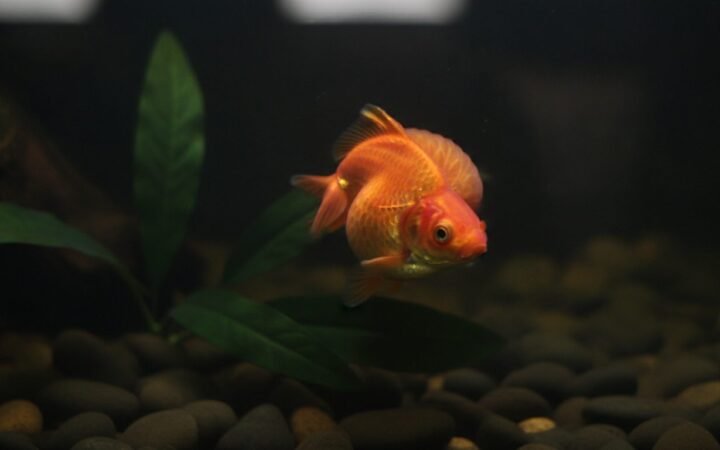
The pinecone check, viewed from directly above, separates a bloated fish from one in organ failure. Honest stage-by-stage odds, why Epsom salt is right…
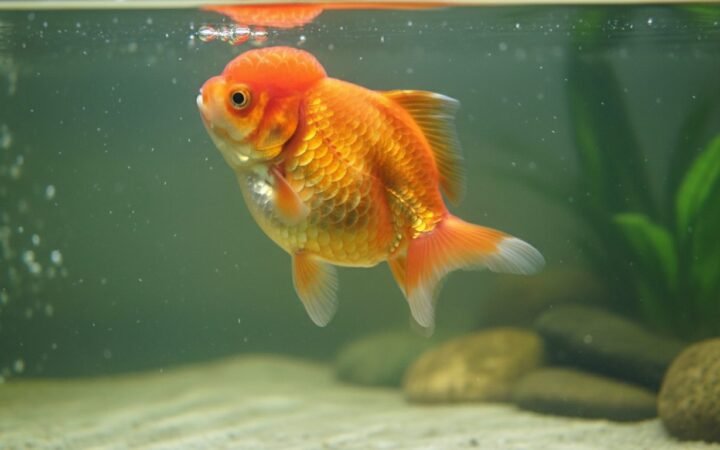
Swim bladder trouble is a symptom, and most cases are digestive. The fast-first protocol (48 hours without food, then a shelled pea for goldfish…
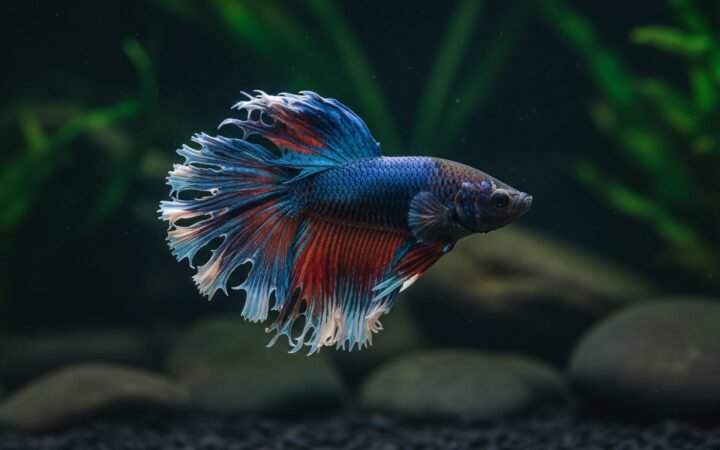
The edge readout stages fin rot in ten seconds: a clean receding edge heals with water changes alone, a fuzzy white edge gets salt,…

Fish hanging at the surface usually means low oxygen or ammonia poisoning. Here is how to tell the two apart and fix each one…
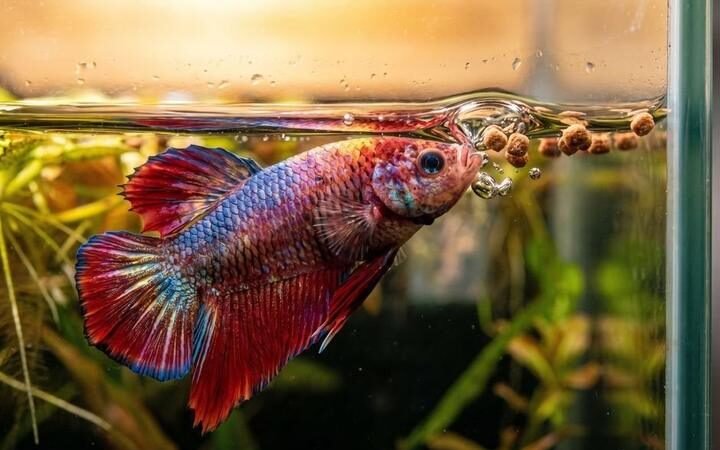
Bettas are carnivores. In the wild they eat insects, larvae, and tiny crustaceans, not plants and not plant-based flakes. A proper betta diet is…
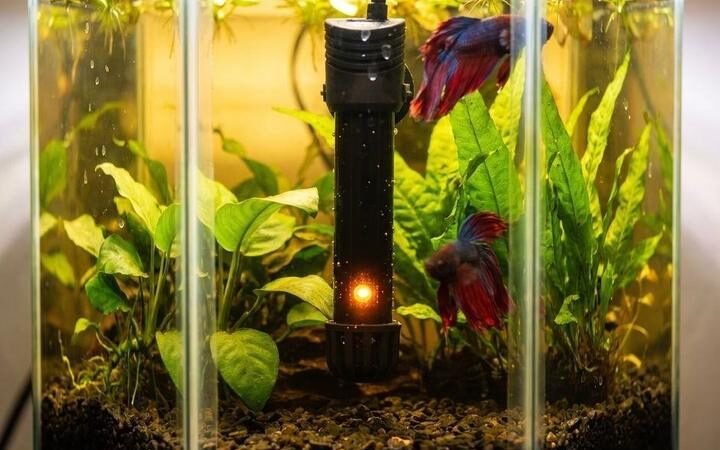
Yes, a betta needs a heater in almost every home. Bettas are tropical fish that need the water held between 75 and 81°F, and…
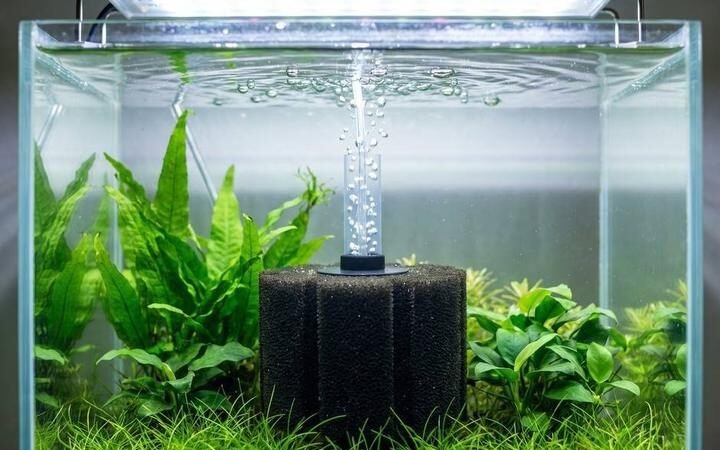
Yes, a betta needs a filter. The fish-in-a-bowl picture on the pet-store shelf sells the opposite, but a filter is what grows the bacteria…
No guides match your search. Try a symptom like "cloudy water" or a fish name.
Browse by topic
Answers
The questions beginners search for most, with straight answers you can act on today.
Wait four to six weeks, until the tank has cycled. Fish give off ammonia, and a new filter has not yet grown the bacteria that break it down, so fish added early get poisoned. Your green light is a test kit reading 0 ppm ammonia and 0 ppm nitrite. Borrowing filter media or a cup of gravel from a running tank can cut the wait to a week or two.
Yes, once you treat it. Most tap water is dosed with chlorine or chloramine to make it safe to drink, and both burn fish gills and kill the bacteria in your filter. Add a water conditioner, sold as a dechlorinator, to every bucket before it goes in, and it neutralizes those chemicals in seconds. Get the water close to the tank's temperature while you are at it.
For a tropical tank, yes on both. The filter is where the waste-eating bacteria live, so running without one leaves the tank with no cleanup crew. The heater keeps common beginner fish like tetras, guppies and bettas in their 76 to 80 degrees Fahrenheit comfort range. Keeping goldfish instead? They tolerate a cool room, so the heater is optional, but the filter still is not.
In a tank only a few weeks old, ammonia poisoning is the usual culprit. Waste piles up faster than the young bacteria colony can clear it, and the rising ammonia burns gills until the fish give out. Test ammonia and nitrite today. Any reading over 0 ppm calls for a 25 to 50 percent water change with treated, temperature-matched water.
About Fishkeeping
Fishkeeping started as one keeper's notebook: what actually worked in a real tank, and the mistakes that cost fish along the way. Today one editor writes and maintains every guide, checking firsthand what can be checked and citing a source for the rest. Every guide answers one real question clearly, so you can solve the problem and get back to…
Read more about us