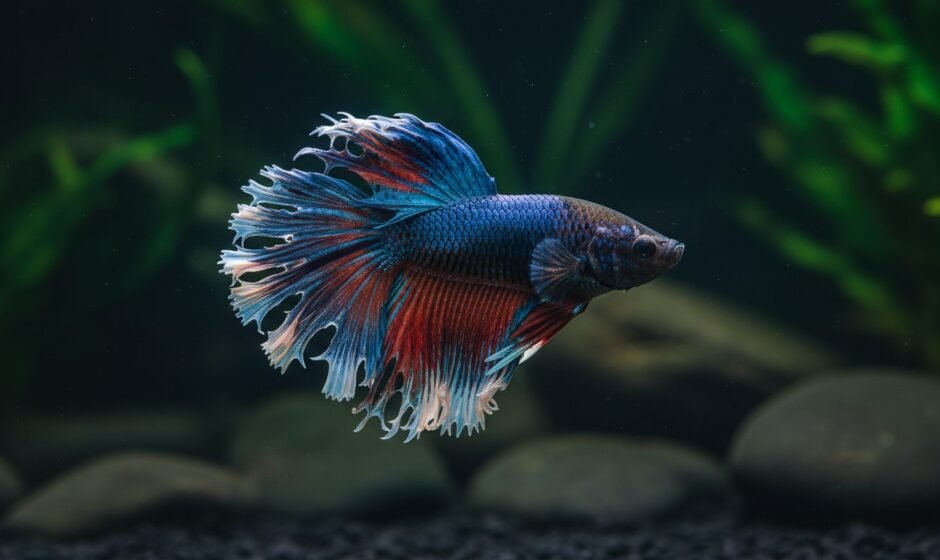
Early fin rot heals with clean water and nothing else. Medication earns its place only when rot has eaten through the fin and is approaching the body, and dosing antibiotics into your display tank at the first ragged edge does more damage than the rot. The fin edge itself tells you which situation you have. Reading it takes ten seconds and a decent look under light, and it decides everything that follows.
Fin rot is a water quality report card
The bacteria behind fin rot, mostly Aeromonas and Pseudomonas species, live in every aquarium on earth. They are in your tank right now, and your healthy fish do not care. Rot starts when something suppresses the immune system: ammonia in the water, a stretch of cold, constant nipping from tankmates, or a tear that never got a chance to heal. So a case of fin rot is a message about the tank, and the first move is a water test, not a trip to the medicine aisle. If you find ammonia or nitrite above zero, you have found the cause.
The edge readout
Look at the outermost edge of the affected fin under good light. The edge tells you the stage and picks the treatment:
| The edge looks like | What it means | What to do |
|---|---|---|
| Clean, ragged edge slowly receding, sometimes with a translucent margin | Classic early fin rot; tissue is dying at the rim only | Clean water alone; no meds |
| White, fuzzy, or milky coating on the edge | Bacterial activity with possible fungus on the dead tissue; if it looks like cotton wool and spreads fast, suspect columnaris instead | Clean water plus a Level 1 salt dose; watch daily |
| Black or brown crumbling edge, fin visibly shrinking week over week | Advanced rot; the bacteria are winning | Quarantine and medicate |
| Redness or streaks at the fin base, rot within reach of the body | Body rot risk; infection can go internal from here | Quarantine and medicate today, not this weekend |
Fin rot moves from the edge inward. Nipping damage from tankmates looks different: chunks missing mid-fin with healthy edges around the bite. If the damage pattern matches a nipper’s mouth and the edges look clean, you have a stocking problem, not an infection.
The clean-water cure
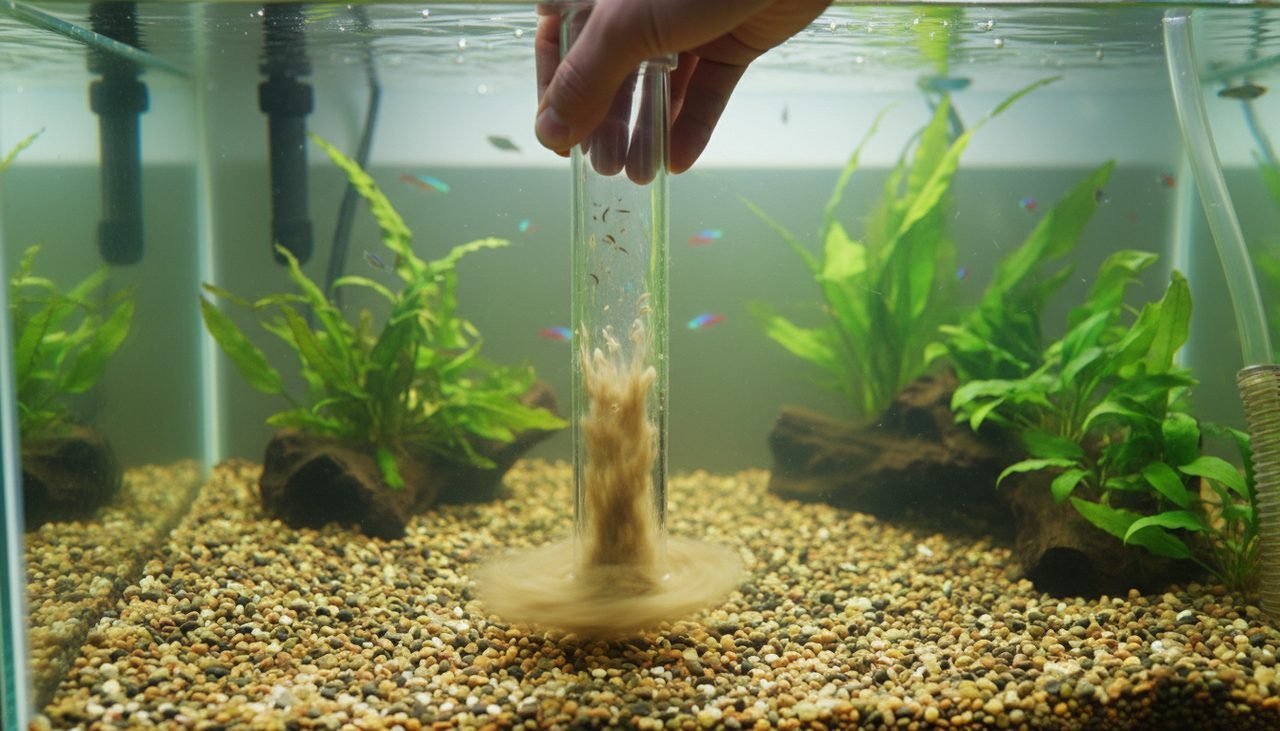
For the first two rows of the table, water is the whole treatment. Change 25 to 50% daily for a week with conditioned, temperature-matched water, then drop back toward the normal 25% weekly schedule once the edge stops receding. Keep ammonia at 0 ppm the entire time; that number is the treatment. Aquarium salt at a Level 1 dose helps mild cases along, and the aquarium salt guide covers the dosing and the taper so you do not have to guess.
Fix the cause at the same time or the rot comes back. Common culprits, in rough order of frequency: an uncycled or overstocked tank, a missing heater (bettas need 75-81°F and are the most frequent fin rot patient in the hobby; the betta care guide covers the setup that prevents it), fin-nipping tankmates, and sharp plastic decorations that reopen the same tear weekly.
When to medicate, and where
Medicate when the bottom two rows apply: a black or crumbling edge, rot advancing despite a week of clean water, or redness reaching the fin base. Move the fish to a hospital tank first; the quarantine setup guide shows a bare-bones version you can run for under $40. Treat there with a kanamycin-based antibiotic or a combination product like API Fin & Body Cure, dosed exactly per the package instructions. Package instructions beat any number you read online, including here.
Do not dose the display tank. Antibiotics do not distinguish between the bacteria rotting your fish’s fins and the bacteria running your filter, and crashing the cycle poisons every fish in the tank to treat one. You also cannot re-dose accurately in a tank full of substrate, wood, and plants soaking up medication. The $20 hospital tank pays for itself the first time you skip a crashed cycle.
Finish the full course listed on the package even if the fins look better halfway through. Stopping antibiotics early breeds the survivors, and the second round is always harder than the first. After the course ends, keep the fish in quarantine for a few more days of clean water before moving it back, and use the move as your reminder to retest the display tank it came from.
Regrowth: clear is good news
Fins regrow over weeks, sometimes a couple of months for heavy damage, and the new tissue comes in clear. Owners see the transparent edge and panic that the fin is dissolving; it is the opposite. Clear membrane means healing, and color fills in behind it over the following weeks. Two honest caveats. Rays that were fully destroyed can regrow kinked, and a heavily-finned halfmoon betta may never recover the perfect 180-degree spread. The fish does not care. It swims better with less.
Why fin rot keeps coming back
Repeat cases almost always mean the trigger never left. The classic loop: rot appears, the owner medicates, fins heal, the meds stop, and six weeks later the edge is receding again. The medication treated the bacteria; nobody treated the tank. If you have cured the same fish twice, test your water weekly for a month and write the numbers down. A pattern will show up, usually ammonia creeping in the days before the water change or a temperature that sags overnight when the room cools.
Long-finned bettas add one more wrinkle: tail biting. A halfmoon that shreds his own tail overnight leaves a ragged mess that looks like aggressive rot but appears in hours, not days, with clean bite-shaped gaps. The usual causes are boredom, a bare tank, and fin weight. Add cover and resting spots near the surface, and treat any biting damage with the same clean-water routine so infection does not move into the open wounds. Speed of loss is your tell: rot creeps, biting happens overnight.
Fin rot FAQ
How long does fin rot take to heal?
The rot should stop advancing within about a week of clean water; a stable edge is your first win. Full regrowth takes 4 to 8 weeks for mild cases and longer for fins that lost half their length. Watch the edge, not the length.
Can fin rot kill a fish?
Yes, when it reaches the body. At that point it stops being fin rot and becomes a systemic infection, and fish die from it within days. Caught at the edge stage it is one of the most survivable diseases in the hobby, which is exactly why the edge readout matters.
Do I need to treat the whole tank for fin rot?
No. Fin rot is not contagious the way ich is; the bacteria are already everywhere, including in tanks with zero sick fish. Treat the affected fish in quarantine if meds are needed, and fix the water for everyone. If several fish show rot at once, that is not an outbreak spreading, that is a shared water problem.
