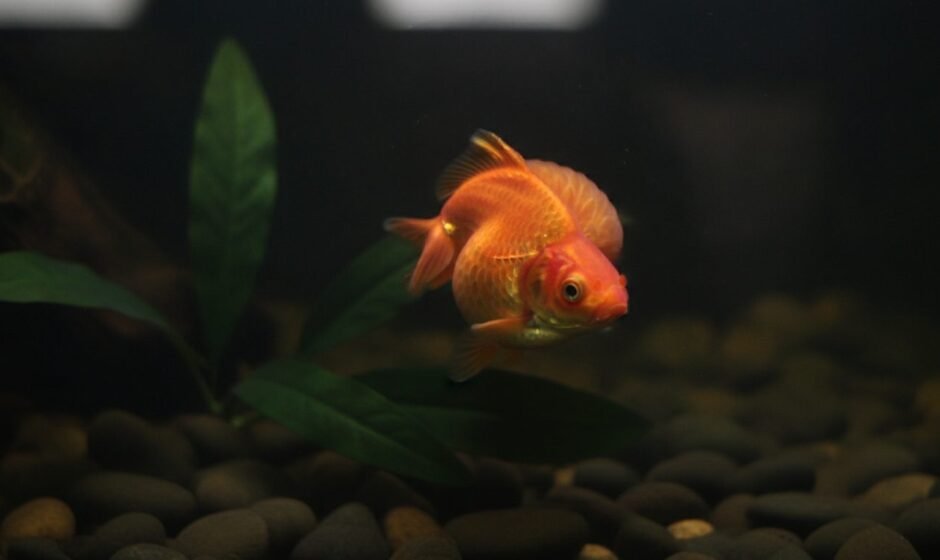
Dropsy is usually fatal, and any article that opens by promising a cure is selling something. The swollen body and raised scales are the visible end of internal organ failure, most often the kidneys, and by the time the scales stand out the fish has been sick for weeks. Caught before the pinecone stage, some fish recover. Caught after, treatment is a long shot and euthanasia belongs on the table. This article covers both honestly, starting with the check that tells you where you stand.
The pinecone check
Look at the fish from directly above, not from the side. A fat or constipated fish viewed from above has a smooth outline: wide, but sleek, with every scale lying flat. A dropsy fish looks like an open pinecone, with scales sticking out from the body because fluid underneath is pushing them up. That raised-scale silhouette is the line between “bloated, probably fixable” and “organ failure in progress.” The side view hides it, which is why so many owners treat for constipation until it is too late. Make the overhead check a habit any time a fish looks thick, and do it daily on chronically chubby fish like fancy goldfish and gouramis.
The overhead view also rules out the common lookalikes. Constipation swells the belly evenly with flat scales, and it follows a feeding pattern. An egg-bound female swells low and lopsided, again with flat scales. A tumor grows as a lump on one side over weeks. None of those pinecone. The moment scales lift, stop treating for constipation and start treating for dropsy, because the pea-and-fasting routine wastes days the fish does not have.
What dropsy actually is
Dropsy is a symptom cluster, not a single disease. The swelling is fluid the fish can no longer pump out, because the kidneys or the osmoregulation system have failed. What broke them varies: an internal bacterial infection (Aeromonas is the usual suspect), months of marginal water quality, organ damage from age or genetics. Freshwater fish spend their whole lives pushing out water that constantly seeps in; when the pumps fail, the fish inflates. That is why dropsy is so lethal. You are not fighting a parasite on the skin, you are asking failed organs to restart.
The honest odds, stage by stage
| Stage | What you see from above | Realistic outcome |
|---|---|---|
| Early | Swelling, scales still flat, fish still eating | Genuine chance of recovery with fast supportive care |
| Partial pinecone | Scales lifting near the belly or tail | Poor; a minority recover, most keep declining |
| Full pinecone | Scales raised over the whole body, often with popped eyes and gasping | Nearly always fatal within days to two weeks |
Those odds are the reason the pinecone check matters. Every day of “let’s wait and see” moves the fish one row down the table.
Supportive care that gives a real chance
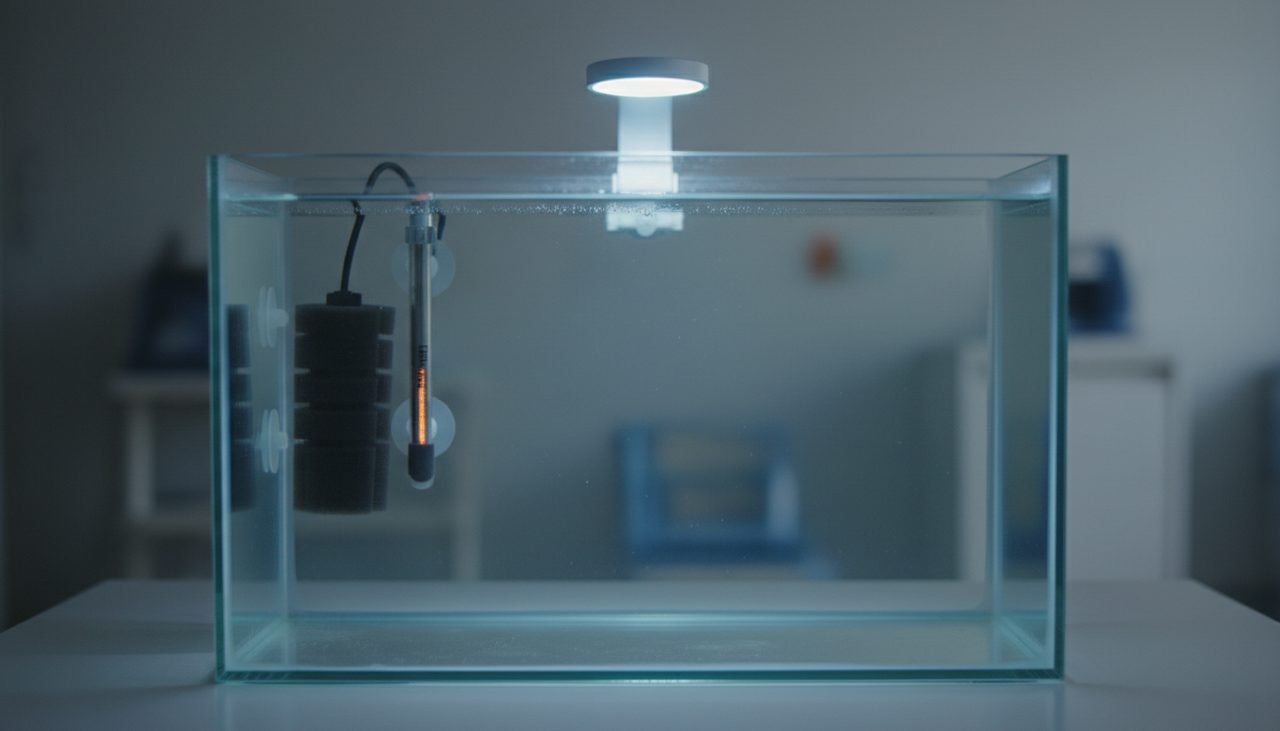
For early-stage fish, move fast on four fronts. Set up a hospital tank first; the quarantine setup guide covers a bare version you can have running in an hour, and isolation lets you treat and observe without stressing the whole tank. Keep the water immaculate with daily partial changes, warmer end of the species’ range, zero ammonia; a fish in organ failure has no reserves left for bad water. Your display tank goes back to the normal water change schedule, cleaner if it was slipping, because whatever stressed this fish is stressing the others.
Third front: Epsom salt (magnesium sulfate) in the hospital tank. Epsom helps draw fluid out of the fish and is the right salt for dropsy. Plain aquarium salt is the wrong one. Aquarium salt is sodium chloride, and adding sodium to a fish that cannot regulate its fluids makes the swelling worse; the aquarium salt guide explains what that salt is actually for, and dropsy is not on the list. Fourth front: antibiotics, since an internal Aeromonas infection is the most treatable of the possible causes. Kanamycin-based products (Seachem KanaPlex is the common one) dosed per package instructions are the standard try, and medicated food works better than water dosing if the fish still eats. If it has stopped eating, the antibiotic rarely arrives in time.
Recovery, when it happens, shows up in a specific order: the fish starts eating again first, then the swelling drops over several days, then energy returns. Appetite is your progress bar. A fish that eats on day three of treatment has a real shot; a fish that still refuses food on day five is telling you where this is going. Keep the daily water changes running through the whole recovery, because a half-recovered fish in slipping water goes backward fast.
The euthanasia decision
A fully pineconed fish that has stopped eating and hangs at the surface gasping is not going to recover, and it is not comfortable. The internal pressure, the failing gills, the popped eyes: this is a hard way to die and it can drag on for a week or more. Choosing to end it is the kind call at that point, not the impatient one. Use the clove oil method, which sedates the fish before anything else happens; the euthanasia guide walks through it step by step. What you should not do is flush a living fish, freeze it, or wait for nature while the fish suffocates slowly over days.
Preventing the next case
Dropsy rarely strikes out of nowhere. It follows months of low-grade stress: nitrate creeping past 40 ppm, skipped water changes, temperature swings from a cheap heater, an overcrowded tank. The fish that pineconed was usually the weakest fish in a tank that was quietly wearing everyone down. Hold the basics (25% weekly changes, nitrate under 20 ppm, ammonia at zero, stable heat) and you remove almost every path that leads here. Old fish will still occasionally develop dropsy from plain organ wear, and that is nobody’s fault.
Dropsy FAQ
Is dropsy contagious to my other fish?
Not in the way ich is. The bacteria involved live in every tank, and dropsy happens when an individual fish’s organs fail. Quarantine the sick fish anyway, and treat the shared water conditions as the real threat: if the tank stressed one fish into organ failure, the others are marinating in the same problem.
Can a fish survive dropsy?
Before the scales raise, yes, a meaningful number do with quarantine, Epsom salt, clean water, and antibiotics. After a full pinecone, survival is rare enough that you should not plan on it. Anyone promising a reliable late-stage cure is guessing or selling.
How long does a fish live with dropsy?
From full pinecone, usually days, sometimes up to two weeks. That window is why the euthanasia conversation belongs in this article: the choice is often between a peaceful end today and the same end after a week of gasping.
