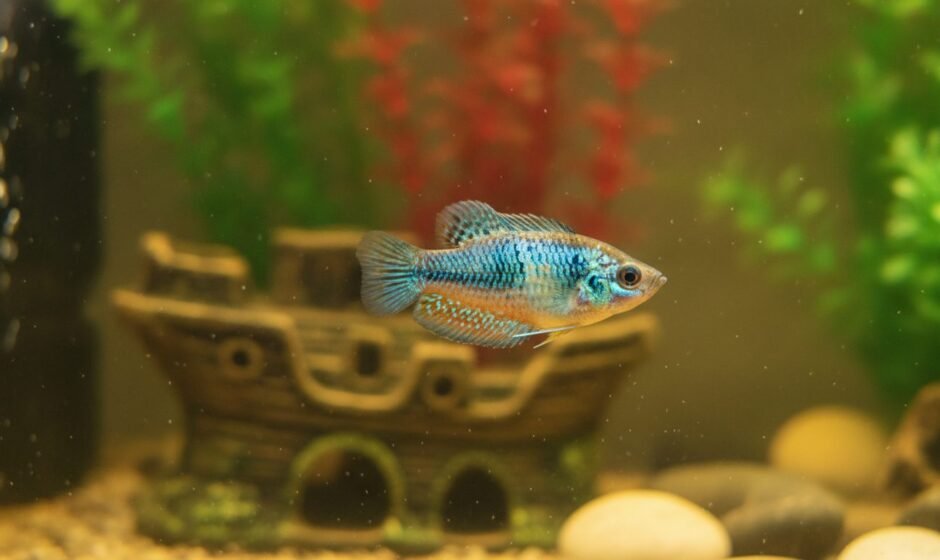
A fish swimming sideways has one of three problems: poisoned water, a swim bladder issue, or shock. Test the water before anything else, because poisoning is the most common cause, the fastest to fix, and the one that threatens every other fish in the tank. The full three-cause check takes about ten minutes, and by the end of it you know whether tonight calls for a big water change, a 48-hour fast, or a harder conversation.
Run the three-cause check in order
The order is the whole trick. Owners jump straight to “swim bladder disease” because that is what the internet suggests first, and meanwhile the actual cause is sitting in the water column poisoning the rest of the stock. Work through the causes from most fixable to least:
- Cause 1: water poisoning. Test ammonia and nitrite. Takes five minutes, fixable within the hour.
- Cause 2: swim bladder. Review the last few days of feeding. Fixable over 2 to 4 days.
- Cause 3: temperature shock or a dying fish. Check the heater and the calendar. Sometimes fixable, sometimes not.
Cause 1: the water (test before you diagnose)
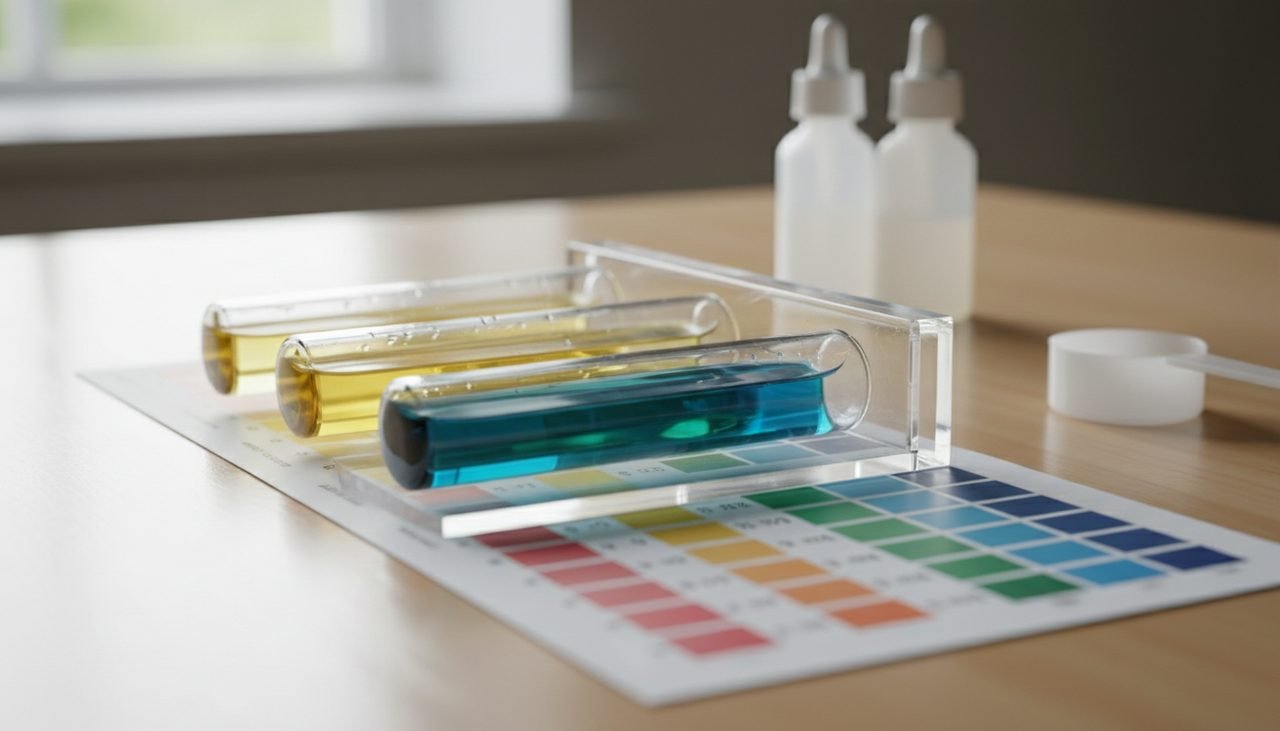
Ammonia burns gills and nitrite blocks the blood’s ability to carry oxygen, and a fish that cannot breathe properly loses coordination before it dies. Sideways swimming, corkscrewing, and lying on the bottom gasping are all late-stage poisoning signs. Use a liquid test kit for this reading, because strips are least reliable exactly where you need precision; the test kit comparison covers why.
Any ammonia reading above 0 ppm, or any nitrite at all, ends the diagnosis. Change 50% of the water immediately with conditioned, temperature-matched water, retest in a few hours, and repeat until both read zero. The ammonia guide and the nitrite guide cover the follow-up, including why the spike happened. New tanks, recently washed filters, and dead fish rotting behind decorations are the usual suspects. Poisoning is also the one cause on this list that explains several fish acting strange at once; swim bladder problems do not run in groups.
Cause 2: the swim bladder (check the feeding history)
Clean water plus a sideways fish that is otherwise alert, interested in food, and fighting to right itself points to the swim bladder. The profile fits even better if the fish is a betta or a fancy goldfish, the tilt showed up after a big feeding, or the fish floats rather than sinks. This cause has its own full triage, and the fix starts with a 48-hour fast rather than medication; the swim bladder guide walks through the fast-first protocol, the pea trick for goldfish, and why bettas skip the pea. An alert, hungry, tilted fish is the best-case version of this problem. Most of them recover in days.
Cause 3: shock or the end
With clean water and no feeding story, check the thermometer against the heater’s light. A failed heater in a cool room drops a tropical tank below 70°F overnight, and cold-shocked fish swim tilted, slow, and confused. Confirm with a separate thermometer rather than trusting the heater dial. Warm the tank back gradually, about 2 degrees per hour, because a fast rebound shocks the fish a second time. The same logic applies after a careless water change with cold tap water: the sideways swimming starts within minutes and improves as the temperature evens out.
If the water is clean, the temperature is right, and the fish is lying on its side breathing slowly, unresponsive, not eating, then you are probably watching a fish die of age, organ failure, or a disease that stayed hidden until now. Look for other evidence: pineconed scales, sunken belly, visible growths. Fish hide illness until they cannot, so the “sudden” collapse is usually the last chapter of something old. At that point comfort matters more than treatment: dim the light, keep the water pristine, and make the euthanasia decision honestly if the fish is gasping and wasting.
What not to do while you triage
Panic treatments kill more sideways fish than patience does. Do not dose a broad-spectrum medication “to be safe” before you have a diagnosis; you will stress a poisoned fish further and possibly damage the filter bacteria you need for the fix. Do not chase the fish around the tank with a net for a closer look, because handling stress stacks on top of whatever is already wrong. Skip feeding entirely until the check is done: a poisoned fish will not eat, a swim bladder fish should not eat, and uneaten food makes the water worse either way.
And do not tear the tank down. A full gravel-wash and decoration scrub feels productive, but it destroys the stable conditions a recovering fish needs and can spike ammonia in a tank that was clean an hour ago. Water changes, yes. Demolition, no.
The sideways readout
| Alongside the sideways swimming | Points to | Do this now |
|---|---|---|
| Gasping at the surface, other fish also acting off | Ammonia or nitrite poisoning | 50% water change, retest in hours |
| Alert, hungry, tilt appeared after feeding | Swim bladder (digestive) | Fast 48 hours, then reassess |
| Whole tank sluggish, thermometer under 72°F | Heater failure, temperature shock | Rewarm slowly, about 2°F per hour |
| Unresponsive on the bottom, slow gills, wasting | End-stage illness or age | Comfort care and an honest decision |
When two rows seem to fit at once, poisoning wins the tiebreak every time. A water change is cheap, fast, and harmless even when it turns out the water was fine, while every other treatment costs the fish something if you guess wrong. Test, change water, and reassess in the morning before escalating to anything else.
Fish swimming sideways FAQ
Why is my fish swimming sideways after a water change?
Usually temperature shock from replacement water that was colder or warmer than the tank, and occasionally chlorine exposure from unconditioned tap water. Match the new water to tank temperature by hand or thermometer and condition every bucket. If the fish does not improve within a few hours, run the full three-cause check.
Can a fish recover from swimming sideways?
Often, yes. Poisoning cases recover once the water is fixed, digestive swim bladder cases recover after a fast, and temperature shock resolves as the tank stabilizes. The fish that recover are the ones whose owners tested the water in the first hour instead of watching and hoping.
Is my fish dying if it is lying on its side at the bottom?
Not always, but the odds are worse than for a floating fish. Test ammonia and nitrite first, because bottom-lying is classic late-stage poisoning and a water change can still turn it around. A bottom-lying fish in clean, warm water that ignores food and barely moves its gills is usually near the end.
